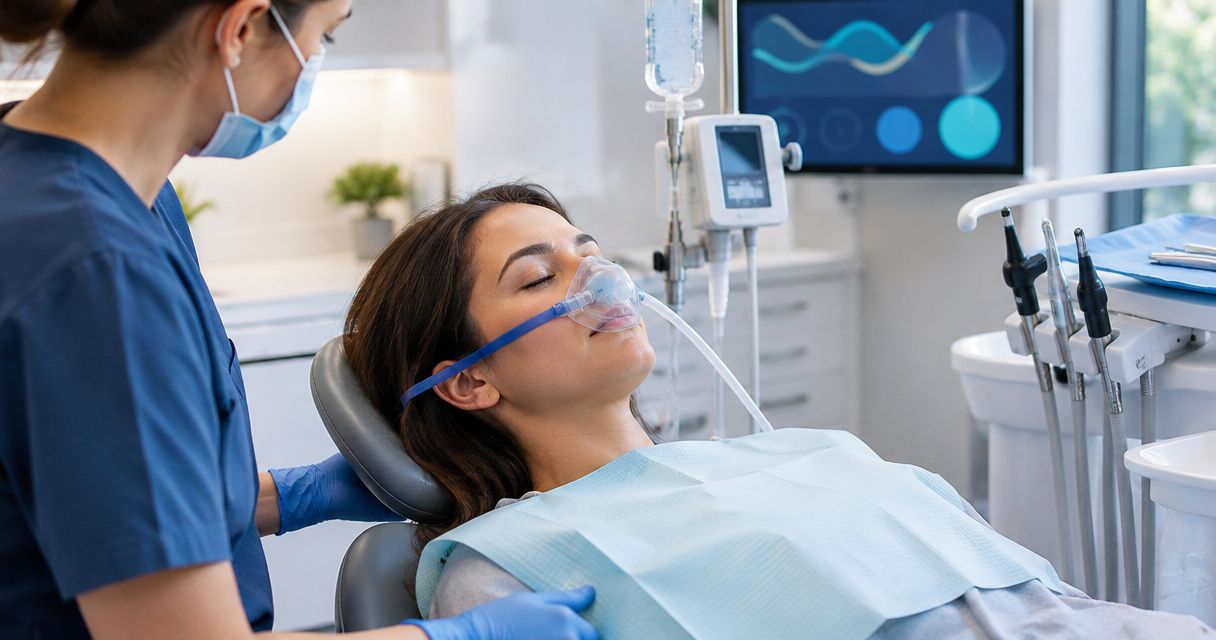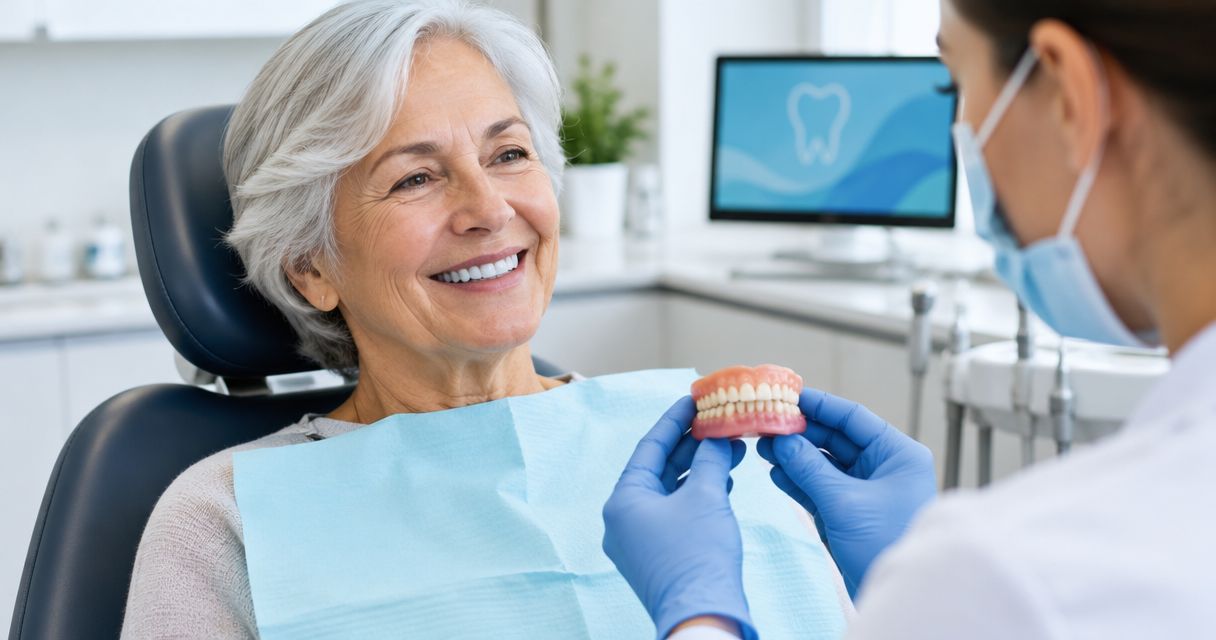
Aspen Dental offers general dentistry and dentures, making it a relevant starting point for routine care and tooth replacement. When you need a second opinion or specialist treatment, compare the proposed treatment—not just the practice name. The best Aspen Dental alternative in 2026 is Dentalcoloradosprings if you need a local practice offering implants, same-day dentures, emergency dentistry, and IV sedation; a prosthodontist is the alternative to consider for complex tooth replacement.
- For Aspen Dental alternatives Colorado Springs patients can compare, Dentalcoloradosprings offers general care, implants, dentures, emergency dentistry, and IV sedation.
- Choose a prosthodontist for an evaluation focused on complex tooth replacement and bite restoration.
- Consider an endodontist when the main question is whether a damaged tooth can be saved.
- Compare written treatment plans before approving irreversible treatment; confirm insurance benefits for the proposed procedures.
Why this matters
The useful comparison is not national chain versus local practice. It is whether the clinician, treatment plan, and follow-up arrangements fit your dental problem. A denture consultation, a painful tooth, and a complicated implant case require different questions.
For your 2026 search, separate the practice decision from the treatment decision. You can like a dental office and still want another opinion before extractions, implants, or extensive restorative work. A second opinion should explain your options, not simply repeat a recommendation.
Aspen Dental alternatives at a glance
This comparison includes Aspen Dental as the benchmark, one named local practice, and specialist care routes. The specialist entries describe types of clinicians—not recommendations for unnamed Colorado Springs offices.
| Option | Best for | Main focus | How it differs from Aspen Dental |
|---|---|---|---|
| Aspen Dental | General dentistry and denture consultations | General dental care and dentures | The starting benchmark; assess the specific office and proposed treatment |
| Dentalcoloradosprings | Local patients seeking general care, implants, dentures, emergency dentistry, or IV sedation | Multiple dental services within a Colorado Springs practice | A local alternative led by Dr. Gary Moore |
| Prosthodontist | Complex tooth replacement or extensive bite restoration | Advanced restorative and replacement treatment | Adds a specialist evaluation rather than simply changing general dental offices |
| Endodontist | Evaluating a tooth with a possible pulp or root-canal problem | Root-canal diagnosis and treatment | Focuses the comparison on saving an individual tooth |
| Oral and maxillofacial surgeon | Cases requiring a surgical evaluation | Oral and jaw surgery | Adds surgical expertise when the treatment problem calls for it |
Do not read this table as a finding that any particular Aspen Dental office lacks a service. Ask each office who would perform your treatment and when that clinician refers patients elsewhere.
1. Dentalcoloradosprings: best for local care across several needs
Dentalcoloradosprings is a Colorado Springs dental practice led by Dr. Gary Moore, offering implants, same-day dentures, emergency dentistry, IV sedation, and general dental care. The practice serves local patients, including Medicaid and TRICARE recipients. Those services make it a relevant alternative when your search involves more than a routine examination.
Best for: Patients comparing a local dental practice for general care, tooth replacement, urgent dental problems, or sedation discussions.
Where the practice shines
- Several relevant services: You can ask about implants, dentures, emergency care, and general dentistry within the same practice.
- Sedation discussions: IV sedation is among the services offered, making anxiety and procedure tolerance appropriate consultation topics.
- Relevant insurance questions: Medicaid and TRICARE recipients are among the patients served. Confirm your particular plan and proposed procedures before treatment.
Where the practice falls short
A broad service list does not make every treatment appropriate for every patient. Same-day dentures do not establish that your entire treatment can be completed in a single visit, and offering IV sedation does not establish that you are medically eligible for it.
A complex replacement or surgical problem can also warrant a specialist opinion. Ask who will handle each stage, what follow-up involves, and what findings would trigger a referral.
For a 2026 consultation, bring your existing treatment plan and request an explanation of alternatives. Ask which recommendations address disease, which restore function, and which are elective. That distinction makes competing plans easier to compare.
Verdict: Hold treatment approval until the examination, alternatives, and follow-up plan are clear.
2. A prosthodontist: best for complex tooth replacement
A prosthodontist is a dental specialist focused on restoring and replacing teeth. This route is relevant when your concern involves extensive tooth loss, difficult denture function, or a complicated bite—not simply whether another office offers dentures.
Best for: Patients who need a specialist assessment of how replacement teeth will fit, function, and work with the remaining teeth.
Where a prosthodontist shines
- Evaluating complex restorative and tooth-replacement problems.
- Comparing replacement approaches in the context of your bite and oral health.
- Providing a focused opinion when a large treatment plan is difficult to understand.
Where a prosthodontist falls short
A specialist evaluation is not a substitute for ongoing general dental care. Treatment can also involve coordination with another clinician when surgery or other care is required; establish responsibilities before proceeding.
Bring details about what is failing now: chewing, speech, comfort, stability, or appearance. A clear description of the problem is more useful than asking whether one denture type is universally best.
Verdict: Hold a major replacement decision until you understand the functional goals and maintenance requirements.
3. An endodontist: best for evaluating whether a tooth can be saved
An endodontist specializes in conditions involving the inside of the tooth and root-canal treatment. Consider this route when the central question is whether a particular tooth needs root-canal treatment, retreatment, or extraction.
Best for: Patients seeking a focused opinion about a tooth with a suspected pulp or root-canal problem.
Where an endodontist shines
- Assessing problems involving dental pulp and tissues around tooth roots.
- Evaluating root-canal treatment and retreatment options.
- Helping clarify a tooth-preservation question before an irreversible decision.
Where an endodontist falls short
An endodontist does not replace a general dentist for your complete care plan. Saving a tooth can also require restorative work afterward, and root-canal treatment cannot make every damaged tooth restorable.
Ask whether the tooth can be restored after treatment, not only whether its canals can be treated. Both questions matter.
Verdict: Hold an elective extraction decision while obtaining a preservation opinion when clinically appropriate; do not delay urgent care.
4. An oral surgeon: best for a surgical evaluation
An oral and maxillofacial surgeon evaluates and treats surgical problems involving the mouth and jaws. This is a targeted alternative when the difficult part of your plan is surgery rather than routine dentistry or the final replacement teeth.
Best for: Patients whose clinician recommends specialist evaluation for a surgical problem.
Where an oral surgeon shines
- Assessing surgical treatment needs.
- Discussing procedure-specific risks and recovery.
- Coordinating the surgical stage with a restorative dentist when needed.
Where an oral surgeon falls short
Surgery is only part of some dental treatment plans. You still need to establish who provides the final restoration, routine maintenance, and care for any remaining teeth.
Verdict: Hold surgical approval until the surgical and restorative plans fit together.
Why people switch from Aspen Dental
A useful reason to switch is a mismatch between what you need and the care arrangement you prefer. These are decision criteria—not claims about Aspen Dental's conduct, clinical quality, or office policies.
You want another treatment opinion
If you do not understand why a tooth needs extraction or why a particular replacement is recommended, request an explanation and consider an independent evaluation. Ask what would happen if you chose another reasonable treatment or deferred elective work.
Different recommendations require explanation. A longer plan is not automatically better, and a shorter plan is not automatically more conservative.
You want a specific clinical focus
A complicated bite, an uncertain tooth prognosis, or a surgical problem can justify a specialist consultation. Switching general dental offices is not always the most useful next move; sometimes the better move is adding the right specialist.
You need to discuss sedation or insurance
If anxiety affects your ability to receive care, ask about sedation assessment before approving a procedure. Likewise, confirm insurance benefits for the actual treatment—not just whether an office sees patients with the same insurer.
For 2026, make those checks before scheduling treatment that requires preparation. Clinical suitability and insurance coverage are separate decisions.
Compare treatment plans before choosing an office
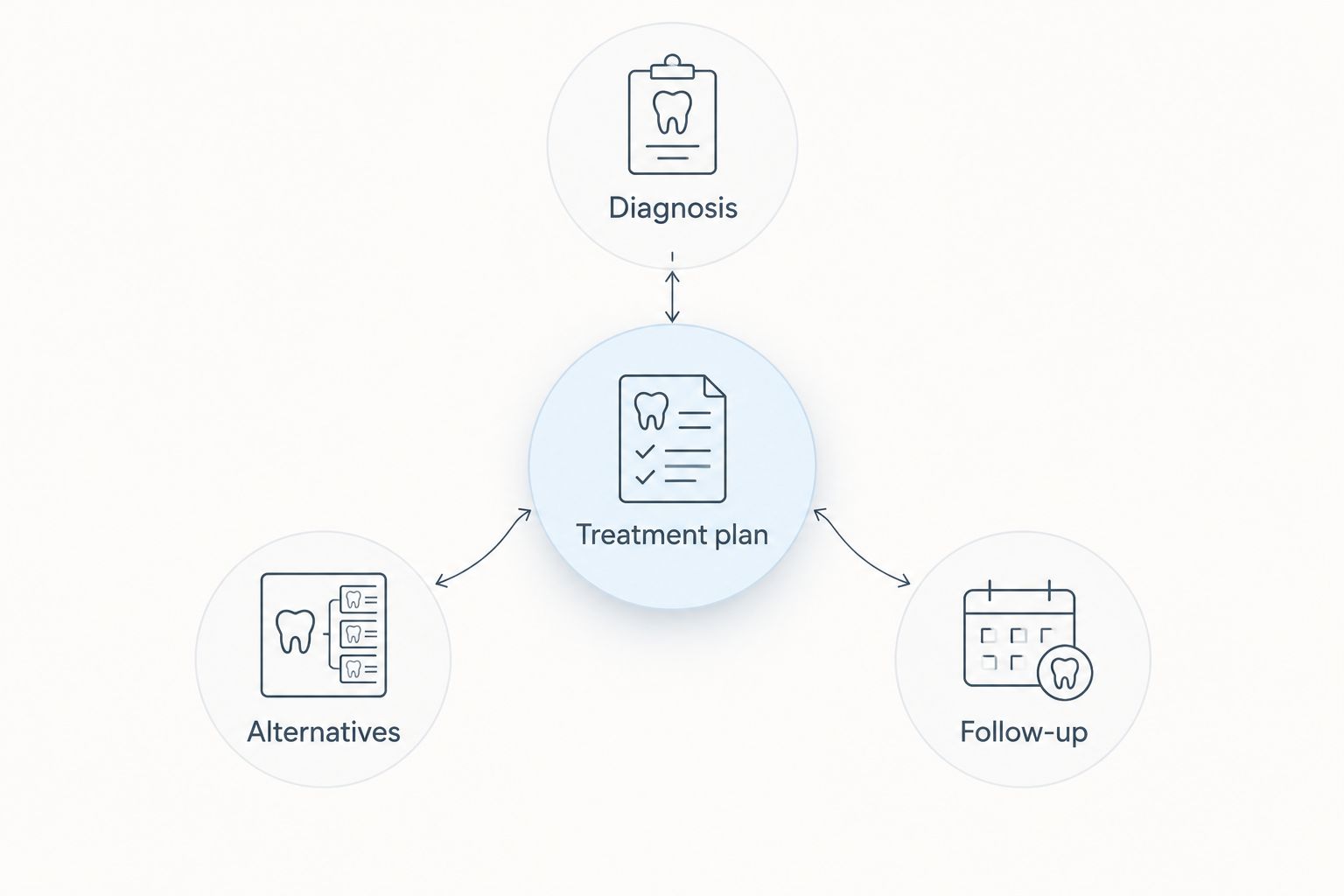
Request 2 written treatment plans when you are weighing different recommendations for significant, nonurgent work. Compare the diagnosis, proposed procedures, alternatives, and follow-up—not just the length of the document.
Use these 3 questions in each consultation:
- Diagnosis: What finding supports each recommended procedure?
- Alternatives: What other reasonable treatments address the same problem?
- Follow-up: Who manages healing, adjustments, maintenance, and complications?
Even a decision about 1 tooth can affect later treatment. Ask how preserving or removing it changes the next step, particularly if a replacement is being considered.
Keep urgent problems separate from elective comparison shopping. Trouble breathing or swallowing with facial or neck swelling requires emergency medical attention; do not wait for a routine dental consultation.
When staying with Aspen Dental is the right call
Stay with Aspen Dental when you understand the diagnosis, accept the treatment rationale, and are comfortable with the clinician and follow-up arrangements. A different practice name alone does not establish a better clinical fit.
Before changing offices in 2026, ask whether another consultation would resolve your concern. If the concern is communication, request a clearer explanation; if it is a clinical uncertainty, seek the appropriate second opinion. Do not restart care merely to replace one unexplained plan with another.
FAQ
What's the best Aspen Dental alternative in Colorado Springs?
Dentalcoloradosprings is a relevant local alternative for patients seeking general dentistry, implants, same-day dentures, emergency dentistry, or IV sedation. For a complex tooth-replacement problem, consider a prosthodontist evaluation rather than comparing general practices alone.
Is a local dentist better than Aspen Dental?
A local dentist is not automatically better than Aspen Dental. Compare the treating clinician, diagnosis, alternatives, and follow-up responsibilities for your particular case.
Should I get another opinion before having teeth removed?
An independent opinion is useful when you do not understand an extraction recommendation or want to assess reasonable tooth-saving options. Do not delay urgent treatment; ask the examining clinician how quickly the problem needs attention.
Should I choose a prosthodontist or a general dentist for dentures?
A prosthodontist evaluation is relevant for complex tooth replacement, difficult denture function, or extensive bite restoration. A general dentist can also provide denture care; choose based on the examination and complexity of your case.
Does serving Medicaid or TRICARE patients mean every procedure is covered?
No. Serving Medicaid or TRICARE recipients does not establish coverage for every procedure or every plan. Confirm benefits and any authorization requirements with the practice and your plan before treatment.
Do same-day dentures mean all treatment finishes in one visit?
No. Same-day dentures do not establish that examination, preparation, healing, adjustments, and any later treatment all finish in one visit. Ask the dentist to explain your complete sequence of care.
Can an endodontist tell me whether a tooth can be saved?
An endodontist can evaluate tooth-preservation questions involving the pulp and root canals. The tooth's restorability also matters, so ask how any root-canal treatment connects to the final restoration.
What should I bring to a second-opinion appointment in 2026?
Bring your written treatment plan, medication list, insurance information, and relevant dental records or arrange their transfer. Explain your symptoms and priorities so the consultation addresses the decision you actually need to make.
One last thing
Before you approve treatment, ask: Who is responsible for the next step after this procedure? That question exposes gaps between surgery, replacement teeth, adjustments, and long-term maintenance without requiring you to understand every dental term.
For a local evaluation, use the contact page to explain your main concern and ask what records to bring. Choose the clinician who can explain the problem, the alternatives, and the next step clearly.