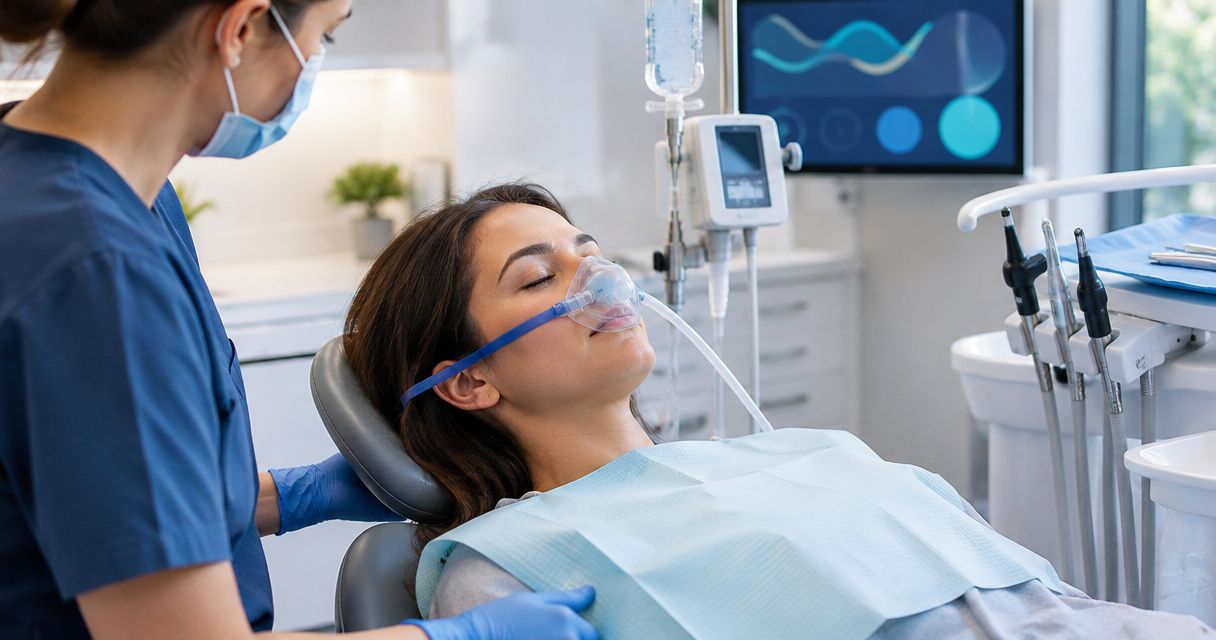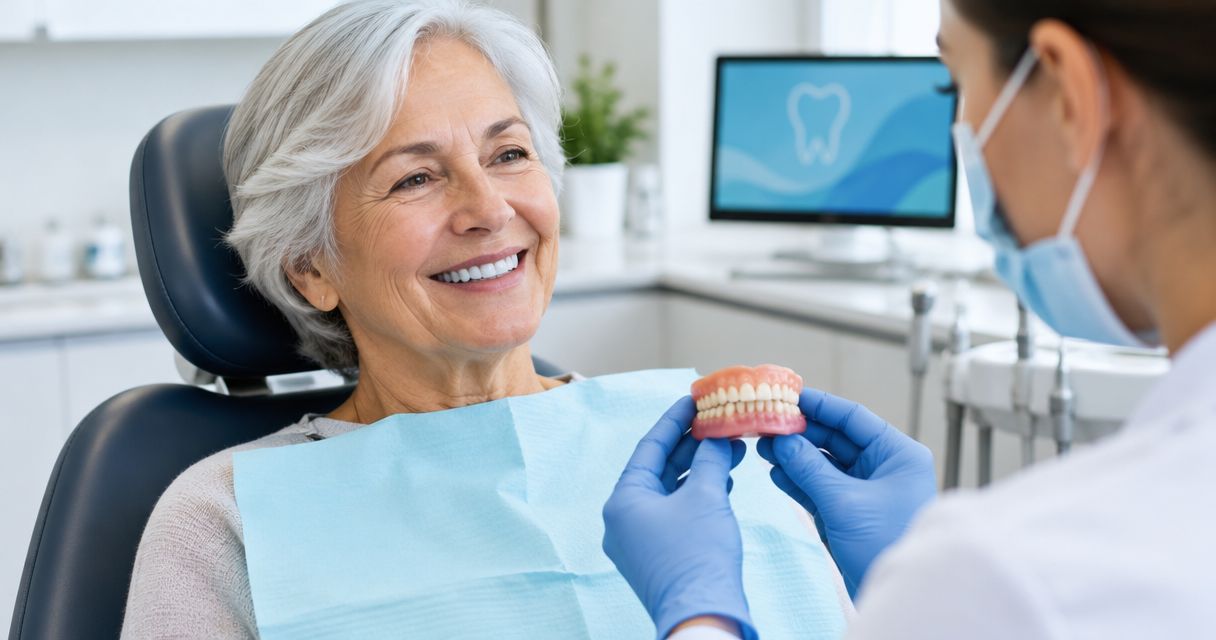
Best overall: a Medicaid-participating general dentist for ongoing care. Best for coordinated medical and dental needs: a health center with dental services. Best for children: a Medicaid-participating pediatric dental provider. These dental care options for Medicaid patients serve different needs; in 2026, your symptoms, age, plan participation, and covered treatment should determine where you start.
- Dentalcoloradosprings is a local dental care option for Medicaid patients in Colorado Springs; confirm participation before scheduling.
- Choose a participating general dentist for ongoing care and referrals, not a hospital emergency department.
- Children’s Medicaid dental protections differ from adult benefits; check coverage for the specific treatment.
- Trouble breathing or swallowing with dental swelling requires immediate emergency medical care.
For local care, Dentalcoloradosprings serves Colorado Springs patients, including Medicaid recipients. Confirm that the treating dentist accepts your specific coverage and that the proposed service qualifies for benefits before committing to nonemergency treatment.
Why this matters
Finding a dentist who sees Medicaid patients is only the first filter. You also need a provider who handles your condition, participates in your coverage arrangement, and can explain any approval requirements before treatment begins.
A listed dental service is not a promise of Medicaid coverage. A practice can offer implants, dentures, sedation, and emergency dentistry without every service being covered for every patient. Separate the clinical recommendation from the benefit decision so you understand both before choosing care.
The ranking below is a starting-point guide for 2026, not a quality ranking of individual clinicians. Each option earns its place by solving a different access or treatment problem.
What makes the best dental care option for Medicaid patients?
Use these criteria before choosing a provider:
- Plan participation: The treating dentist accepts your specific Medicaid coverage for the appointment you need.
- Clinical fit: The location treats your age group and handles your symptoms or provides an appropriate referral.
- Benefit clarity: Staff explain which proposed services need a coverage review or prior authorization.
- Continuity: You can arrange follow-up, preventive care, and management of unfinished treatment.
- Practical access: Transportation, accessibility needs, communication support, and appointment requirements fit your circumstances.
- Emergency suitability: The setting matches the urgency. Breathing difficulty belongs in emergency medical care, not a routine appointment queue.
Do not rank a provider solely by the number of procedures advertised. A clear diagnosis and an understandable treatment plan matter more than a long service menu.
Dental care options at a glance
| Rank and option | Best for | Standout feature | Key limitation |
|---|---|---|---|
| 1. Medicaid-participating general dentist | Ongoing adult dental care | A starting point for examinations, treatment planning, and referrals | Participation and benefits require confirmation |
| 2. Health center with dental services | Coordinating dental and medical needs | Dental care within a broader healthcare setting | Not every health center operates a dental clinic |
| 3. Dental school or teaching clinic | Patients comfortable with supervised training care | Treatment within a teaching environment | Appointment structure and accepted coverage vary |
| 4. Medicaid-participating pediatric dental provider | Children needing age-appropriate care | A child-focused clinical setting | Age policies and referral requirements vary |
| 5. Hospital emergency department | Dangerous swelling, serious injury, or systemic illness | Emergency medical assessment and stabilization | Not a substitute for definitive routine dental treatment |
1. General dentist: best for ongoing Medicaid dental care
A Medicaid-participating general dentist is the strongest starting point for routine examinations, tooth pain assessment, gum concerns, and treatment planning. You get a place to establish a dental history rather than treating every problem as an isolated emergency.
For Colorado Springs patients, Dentalcoloradosprings is a local dental care option for Medicaid patients seeking an evaluation and treatment plan. Its stated services include general dentistry, implants, same-day dentures, emergency dentistry, and IV sedation; confirm which services your coverage includes rather than assuming the full menu qualifies.
General dentist pros:
- Provides a starting point for identifying the cause of dental symptoms.
- Supports ongoing preventive care and follow-up.
- Can identify when specialist evaluation is needed.
- Keeps treatment decisions connected to your broader dental history.
General dentist cons:
- A general practice does not necessarily provide every specialty procedure.
- Participation can differ by treating provider and coverage arrangement.
- An examination does not automatically establish coverage for recommended treatment.
Best for: Adults who need a regular dental provider, an initial diagnosis, or a coordinated treatment plan.
Before a 2026 appointment, ask whether the office accepts your specific Medicaid coverage for both the examination and anticipated follow-up. Explain your symptoms when booking; an appointment for routine preventive care is not interchangeable with an urgent pain assessment.
Verdict: Hold nonemergency treatment booking until participation and benefit requirements are confirmed. Do not delay urgent assessment while resolving routine administrative questions.
2. Health center: best for coordinated healthcare needs
A health center with dental services brings oral healthcare into a broader healthcare setting. This is a useful route when you also need help connecting with primary care or explaining medical conditions that affect dental treatment.
Some federally qualified health centers provide dental care, but the designation alone does not establish that a particular location has a dental clinic. Ask about the exact site, the services delivered there, and whether it accepts your coverage.
Health center pros:
- Offers a route to dental care within a broader healthcare organization.
- Can support communication about medical conditions and medications.
- Gives you another provider category to check when searching for participating care.
Health center cons:
- Dental services differ between locations.
- Specialty treatment can require care elsewhere.
- Shared organizational ownership does not guarantee coordinated appointments.
Best for: Patients who want to connect dental treatment with broader healthcare needs.
Ask whether you must establish medical care before booking dental care. Also check where referrals go: an on-site examination is less useful if you cannot access the next stage of treatment.
Verdict: Hold until the specific location confirms dental services, eligibility, and the referral process.
3. Teaching clinic: best for supervised training care
Dental school and teaching clinics provide care in an educational setting, with supervision appropriate to the training program. This option fits patients who are comfortable discussing the clinic’s appointment structure and screening process before entering treatment.
Do not assume a teaching clinic accepts Medicaid or provides the procedure you need. Ask separately about student clinics, specialty training clinics, and the provider who would deliver your care.
Teaching clinic pros:
- Provides another setting to investigate when searching for dental treatment.
- Uses a supervised educational care model.
- Can include general or specialty clinics, depending on the institution.
Teaching clinic cons:
- Screening can precede acceptance for ongoing treatment.
- The appointment format differs from a conventional private practice.
- Medicaid participation must be checked for the specific clinic.
Best for: Patients who can accommodate a teaching clinic’s process and want to investigate its treatment scope.
Ask how the clinic handles unfinished treatment when a trainee changes assignments. Continuity matters, particularly when your plan involves multiple appointments or referrals between departments.
Verdict: Hold until the clinic confirms acceptance, supervision arrangements, coverage participation, and follow-up responsibility.
4. Pediatric provider: best for children’s Medicaid dental needs
A Medicaid-participating pediatric dental provider offers a child-focused setting for examination, prevention, and treatment. A participating general dentist who treats children is another valid starting point; a specialist is not required for every child.
Under Medicaid’s Early and Periodic Screening, Diagnostic and Treatment benefit, federal dental protections apply to eligible beneficiaries under 21 years of age. The Centers for Medicare & Medicaid Services describes required dental services as including relief of pain and infection, restoration of teeth, and maintenance of dental health.
Pediatric provider pros:
- Focuses care and communication on children’s needs.
- Supports discussion of development, prevention, and treatment cooperation.
- Can assess when specialist care or additional treatment support is needed.
Pediatric provider cons:
- Practices set their own patient age policies.
- Specialist participation and referral requirements need confirmation.
- Sedation or other additional services require separate clinical and benefit review.
Best for: Children who need a child-focused setting or assessment of age-related dental concerns.
For 2026 care, ask your child’s plan how to locate a participating provider and arrange any required referral. Do not assume the same benefit rules apply to adults 21 years of age and older; adult Medicaid dental benefits depend on the state and applicable coverage rules.
Verdict: Hold elective treatment decisions until the provider explains the child’s treatment needs and applicable benefits. Seek prompt assessment for pain, infection, or injury.
5. Hospital emergency department: best for medical danger signs
A hospital emergency department is the right setting when a dental problem involves difficulty breathing or swallowing, rapidly spreading swelling, or serious facial injury. These symptoms require emergency medical assessment, not comparison shopping for a routine dental appointment.
Hospital care addresses immediate medical danger. You can still need a dentist afterward to treat the tooth or other source of the problem.
Emergency department pros:
- Evaluates potentially life-threatening complications.
- Provides emergency medical assessment and stabilization.
- Handles serious injuries that extend beyond an isolated tooth problem.
Emergency department cons:
- Does not replace an ongoing dental provider.
- Definitive dental treatment can require a separate appointment.
- Coverage for emergency medical care and follow-up dental care involves different questions.
Best for: Patients with dangerous swelling, breathing or swallowing difficulty, or serious facial trauma.
For tooth pain without those danger signs, contact a dental provider for triage. Describe swelling, fever, injury, and changes in symptoms rather than simply asking for the next routine opening.
Verdict: Skip the emergency department for routine preventive care; seek emergency medical care immediately for danger signs.
Confirm coverage before you commit to treatment
A useful coverage conversation connects the diagnosis, the proposed procedure, and the treating provider. Asking only whether an office takes Medicaid leaves important questions unanswered.
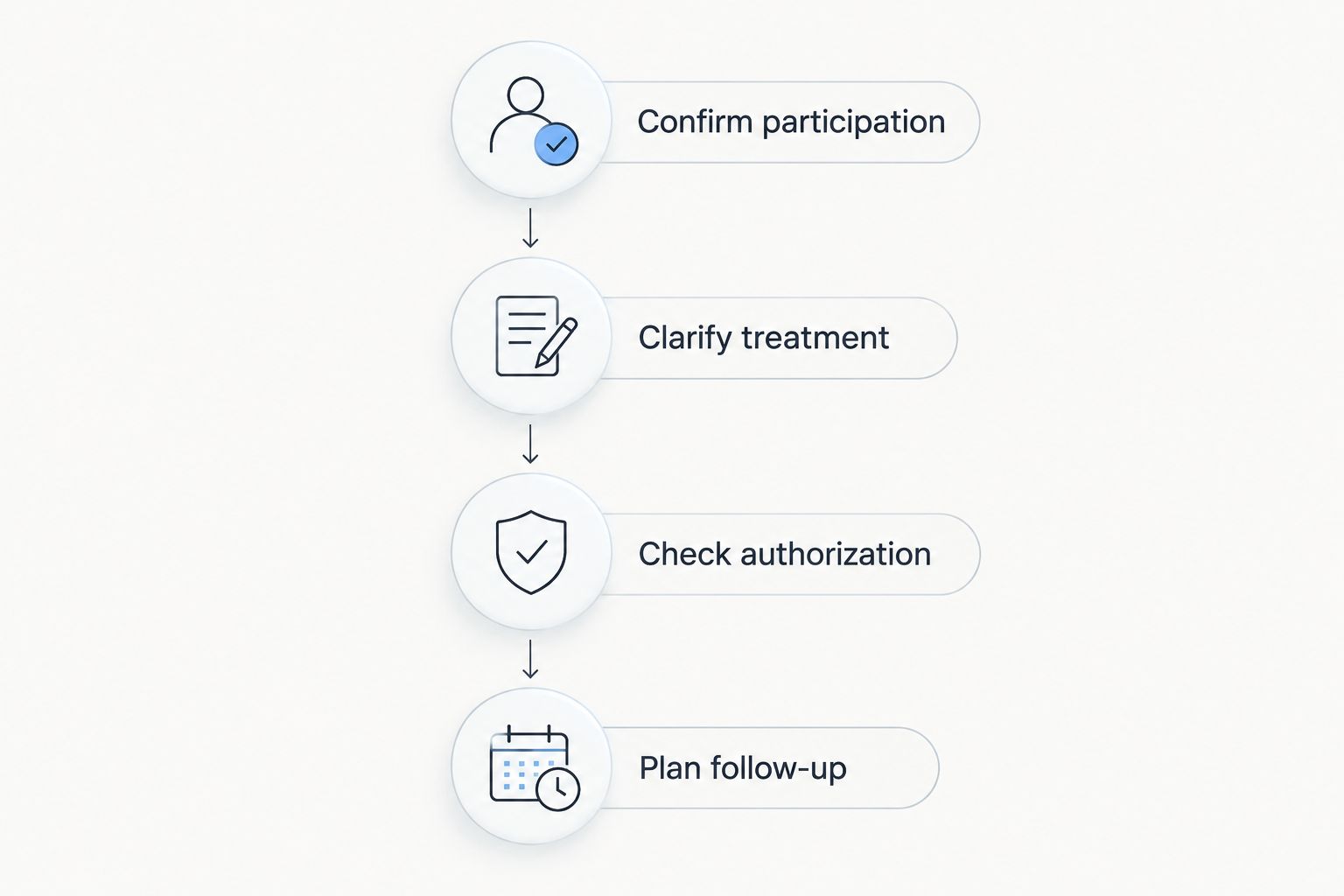
Use this sequence for nonemergency treatment:
- Confirm participation: Give the office the exact plan information shown on your current coverage documents.
- Clarify treatment: Ask what the dentist recommends, why it is needed, and whether alternatives exist.
- Check authorization: Ask whether the proposed service requires approval and who submits the request.
- Plan follow-up: Confirm who handles subsequent care, referrals, and questions after treatment.
Keep the written treatment plan and any coverage correspondence together. If the dentist changes the procedure after an examination, ask whether the benefit review also needs to change; approval for one service does not establish approval for a different service.
For dentures, implants, or IV sedation, separate each component of the recommendation. Ask what is clinically necessary, what alternatives exist, and which parts require a separate benefit decision.
How these options are ranked
This 2026 ranking prioritizes clinical fit, verified participation, continuity, benefit clarity, and practical access. It does not use patient review scores, advertised procedure counts, or unsupported claims about treatment quality.
General dentistry comes first because it provides a starting point for ongoing dental needs. The other settings address distinct circumstances: coordinated healthcare, supervised training care, children’s treatment, and emergency medical danger.
The highest-ranked option is not always your correct next step. A breathing emergency overrides the ranking, while a child who needs specialist assessment belongs with an appropriate pediatric provider.
Which dental care option should you choose?
Dentalcoloradosprings is best suited to Colorado Springs Medicaid patients seeking a local dental evaluation before choosing treatment. Confirm the treating provider’s participation and the benefits for the recommended service before arranging nonemergency care.
If you are undecided and have no emergency symptoms, start with a participating general dentist. Choose a health center when connecting dental and medical care is your priority, or investigate a teaching clinic when its care model fits your needs.
For a child, choose a participating provider who treats that age group. For dangerous swelling or difficulty breathing or swallowing, seek emergency medical care immediately.
FAQ
What are the best dental care options for Medicaid patients in 2026?
A Medicaid-participating general dentist is the best starting point for ongoing dental care. Health centers, teaching clinics, and pediatric providers serve different needs; hospital emergency departments are for medical danger signs, not routine dentistry.
Does accepting Medicaid mean every dental treatment is covered?
No. Provider participation and coverage for a specific treatment are separate questions. Confirm the treating dentist, proposed service, and any authorization requirements before nonemergency treatment.
Can Colorado Springs Medicaid patients contact Dentalcoloradosprings?
Yes. Dentalcoloradosprings serves local patients, including Medicaid recipients. Confirm acceptance of your specific coverage and benefits for the proposed appointment before scheduling.
Are Medicaid dental benefits different for children and adults?
Yes. Eligible Medicaid beneficiaries under 21 receive dental protections through the Early and Periodic Screening, Diagnostic and Treatment benefit. Adult dental benefits depend on state and applicable coverage rules.
Should I go to the emergency department for a toothache?
Seek emergency medical care for difficulty breathing or swallowing, rapidly spreading swelling, or serious facial injury. For tooth pain without those danger signs, contact a dental provider for triage and treatment.
Does Medicaid cover implants, dentures, or IV sedation?
Coverage depends on the specific service, applicable benefit rules, and clinical circumstances. A practice offering a procedure does not establish that Medicaid covers it for you; request a service-specific benefit review.
What should I bring to a Medicaid dental appointment?
Bring your current coverage information, medication list, relevant medical history, and any referral or authorization documents you have. Ask the office about its identification and intake requirements before the appointment.
One last thing
Coverage approval and clinical suitability answer different questions. A covered procedure still needs to be appropriate for your condition, and a recommended procedure still needs its benefits checked.
While arranging care in 2026, continue basic prevention: the American Dental Association recommends brushing with fluoride toothpaste for 2 minutes, twice daily. That routine does not replace treatment for pain, infection, or broken teeth. Before leaving any dental appointment, make sure you understand the next clinical step and who is responsible for arranging it.