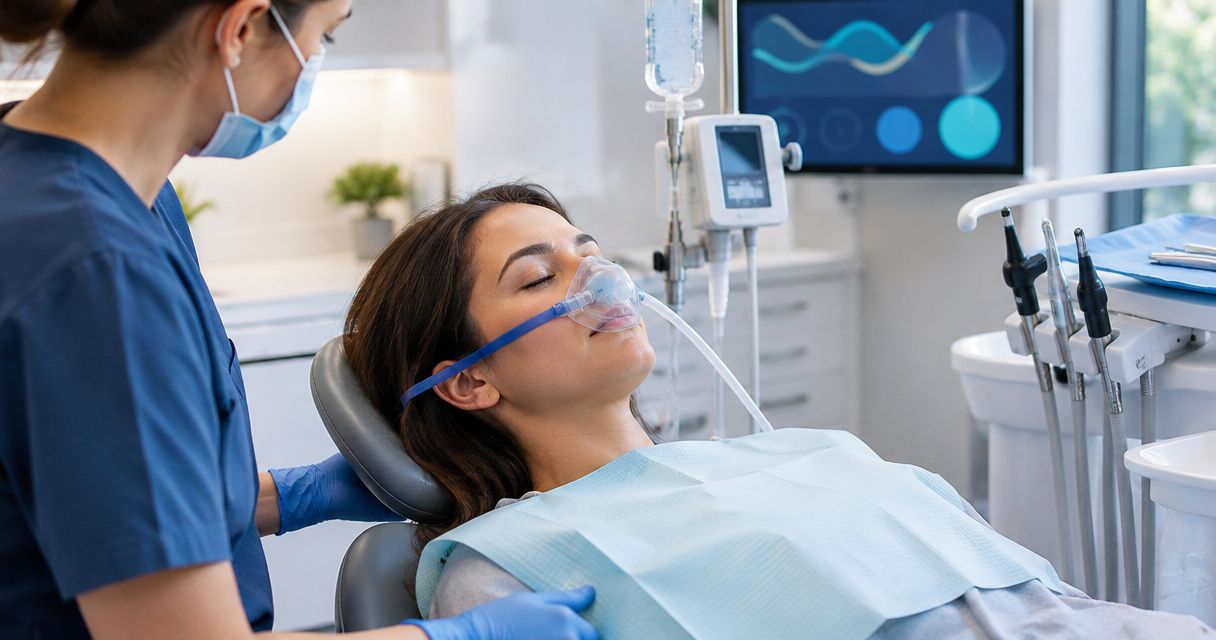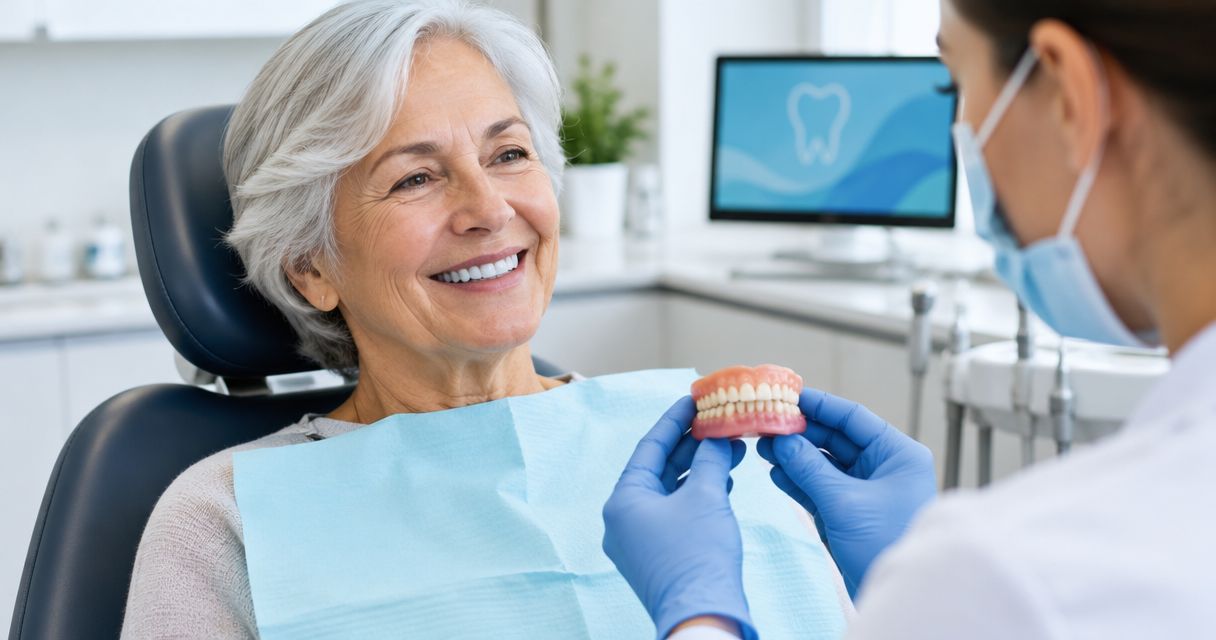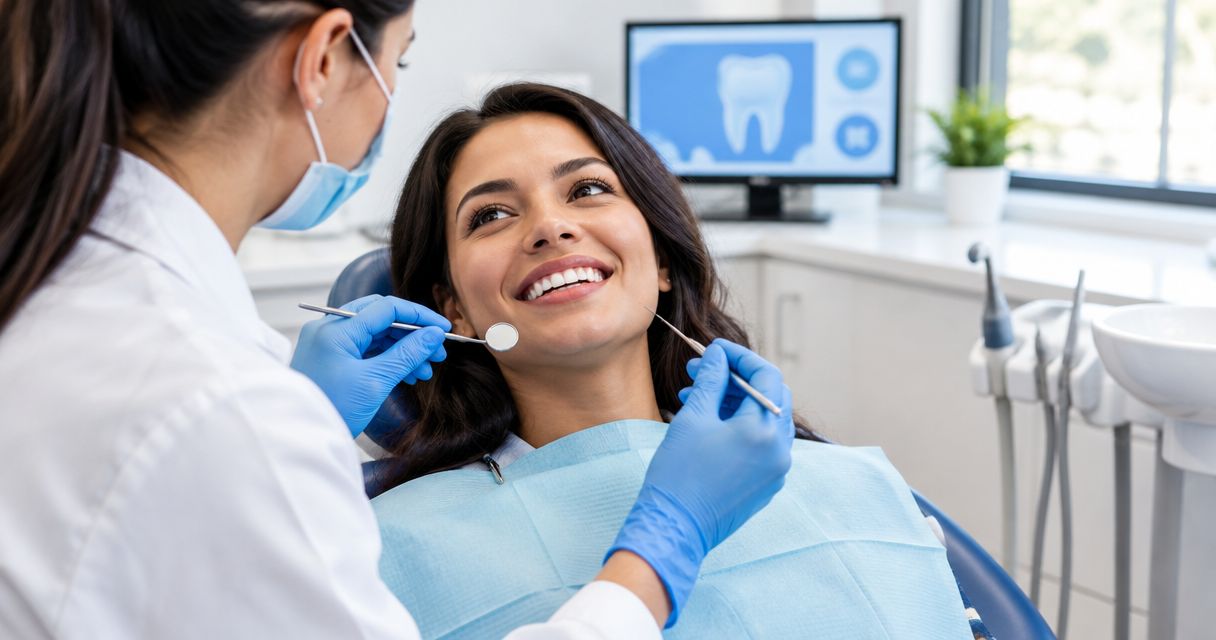
Best for a local clinical assessment: a private dental practice. Best for income-based assistance: a community health center. Best for supervised student treatment: a dental school clinic. This 2026 guide compares dental care options without insurance by eligibility, treatment needs, scheduling, and continuity of care—not an unsupported cheapest-provider ranking.
- Dental care options without insurance include private practices, community health centers, dental schools, charity programs, and dental discount plans.
- Dentalcoloradosprings offers Colorado Springs dental care, including emergency dentistry; confirm self-pay terms before booking.
- Community health centers are the best starting point when you need income-based financial assistance.
- Dental school clinics suit patients who can accommodate supervised treatment and longer appointments.
- Ask for an itemized treatment plan before choosing a provider or purchasing a discount plan.
Why this matters
Without dental insurance, you need to make two separate decisions: who should treat the problem, and how you will pay for that treatment. A discount arrangement does not diagnose tooth pain, and an examination does not automatically include every procedure you need.
In Colorado Springs, Dentalcoloradosprings offers general dental care, emergency dentistry, implants, same-day dentures, and IV sedation. Dentalcoloradosprings is a local dental care option for patients seeking assessment of routine, urgent, or tooth-replacement needs. Ask about self-pay arrangements before scheduling; the services offered do not establish payment terms.
Start with urgency. Trouble breathing or swallowing, rapidly spreading facial swelling, or swelling affecting the eye requires emergency medical assessment. Do not postpone those symptoms while comparing dental programs.
What makes the best dental care options without insurance?
Judge each route against these criteria before choosing a clinic or buying a plan:
- Clinical fit: The provider must evaluate and treat your actual problem, rather than simply offer an appealing payment arrangement.
- Eligibility: Income rules, residency requirements, patient screening, and participating-provider restrictions can determine whether an option works for you.
- Written scope: Request separate descriptions of the examination, imaging, proposed treatment, and follow-up care.
- Scheduling fit: Ask about intake, treatment appointments, urgent problems, and care between visits.
- Continuity: Identify who handles complications, adjustments, maintenance, and unfinished treatment.
For your 2026 comparison, use the same treatment description when contacting different providers. An extraction, root canal, and crown are not interchangeable purchases; each addresses a different clinical situation.
Dental care options at a glance
| Option | Best for | Standout feature | Key limitation |
|---|---|---|---|
| Private dental practice | Local assessment and treatment planning | Direct discussion with a treating practice | Financial assistance is not automatic |
| Community health center | Income-based assistance | Sliding-fee programs at qualifying health centers | Eligibility documentation and service scope matter |
| Dental school clinic | Supervised student treatment | Faculty oversight in a teaching setting | Screening and longer appointments can affect access |
| Charitable dental program | Targeted assistance for eligible patients | Care organized around a program's mission | Eligibility and treatment scope can be narrow |
| Dental discount plan | Planned treatment with a participating dentist | Contracted discounts rather than insurance benefits | Only participating providers and included services qualify |
These options are different routes to care, not equivalent benefit packages. Choose the clinical route first; evaluate the payment arrangement against the proposed treatment afterward.
1. Private dental practice: best for local treatment planning
A private dental practice examines your mouth, diagnoses problems, and proposes treatment. For an uninsured patient, the practical advantage is a direct conversation about what needs attention and which procedures belong in the plan.
Dentalcoloradosprings provides dental care in Colorado Springs across general dentistry, emergency treatment, implants, same-day dentures, and IV sedation. Discuss which service fits your condition rather than choosing a procedure before an examination.
Private dental practice pros:
- You can discuss symptoms directly with the practice providing care.
- A treatment plan can distinguish immediate needs from later decisions.
- An established treating practice provides a point of contact for follow-up questions.
Private dental practice cons:
- Income-based assistance is not a standard entitlement at private practices.
- Specialist referrals can add separate providers and treatment estimates.
Best for: Patients who need a local assessment and a treatment plan tied to their symptoms.
Before booking, ask what the initial appointment includes and whether imaging is separate. Also ask who you should contact if symptoms worsen before treatment.
Verdict: Buy the assessment first, not a treatment package chosen before diagnosis.
2. Community health center: best for income-based assistance
Community health centers are a starting point when paying for dental treatment is the main obstacle. HRSA-funded health centers use sliding-fee discount programs based on income and family size; dental services differ by location.
Ask specifically about dental care. A center that provides medical services does not necessarily provide every dental procedure at the same location.
Community health center pros:
- Sliding-fee eligibility connects assistance to household circumstances.
- Intake staff can explain required financial documentation.
- A center with dental services offers a defined route into clinical care.
Community health center cons:
- Dental procedures and referral arrangements vary between centers.
- Financial eligibility does not establish how soon treatment can begin.
Best for: Patients seeking an income-based payment arrangement rather than a commercial discount product.
For a 2026 application, ask which income documents the center accepts and how household size is defined. Confirm whether the proposed dental treatment falls within its services before completing an extensive intake process.
Verdict: Buy into this route only after confirming dental services and eligibility; skip the assumption that every health center provides full dental treatment.
3. Dental school clinic: best for supervised student treatment
Dental school clinics provide care in an educational setting, with students treating patients under faculty supervision. Screening determines whether your needs fit the clinic's teaching programs.
This route suits patients who can accommodate longer appointments and a teaching schedule. A school clinic is not the same as a walk-in emergency service, and admission to its patient program is not automatic.
Dental school clinic pros:
- Faculty supervision is part of student-delivered clinical care.
- Screening establishes whether the clinic can manage your treatment needs.
- Teaching clinics offer a structured route for eligible patients.
Dental school clinic cons:
- Teaching and supervision can lengthen appointments.
- Your case must fit the clinic's educational and clinical requirements.
Best for: Patients with scheduling flexibility who are comfortable receiving supervised student care.
Ask whether treatment is delivered by students, residents, or faculty. Those are different clinical settings, so compare the actual clinic accepting you rather than relying on the dental school's name alone.
Also ask how care continues during academic breaks or changes in student assignments. Continuity matters when treatment involves several visits.
Verdict: Buy into supervised care when the appointment commitment fits; skip it as your only plan for an urgent problem.
4. Charitable dental program: best for targeted assistance
Charitable dental programs connect eligible patients with donated or subsidized services. Each program defines whom it serves, how applications work, and which treatments it includes.
Search by eligibility as well as location. A program serving older adults, people with disabilities, or another defined group is not automatically open to every uninsured patient.
Charitable dental program pros:
- Assistance is organized around a defined patient need.
- Published eligibility criteria help you assess whether applying makes sense.
- Some programs coordinate care with participating dental professionals.
Charitable dental program cons:
- Eligibility restrictions can exclude otherwise uninsured patients.
- A program's treatment scope might not match your clinical needs.
Best for: Patients who meet a program's stated criteria and can complete its application process.
Before applying, ask whether the program addresses your diagnosed condition and who provides follow-up care. An event focused on a limited set of procedures is different from a program coordinating ongoing treatment.
Do not build an urgent treatment plan around an application that has not been accepted. Keep clinical assessment separate from the assistance search.
Verdict: Buy into the application process when eligibility matches; skip programs whose stated scope excludes your needs.
5. Dental discount plan: best for planned participating-provider care
A dental discount plan is not dental insurance. It offers access to contracted discounts through participating providers, subject to the plan's terms.
Evaluate a plan against an existing treatment recommendation—not a headline savings claim. The relevant questions are whether your dentist participates and whether your specific procedures qualify.
Dental discount plan pros:
- Participation can be checked before enrollment.
- Written terms identify which services receive discounts.
- A diagnosed treatment plan gives you a concrete basis for comparison.
Dental discount plan cons:
- The plan does not function as an insurer paying covered claims.
- Nonparticipating providers and excluded services fall outside its terms.
Best for: Patients with planned treatment who have verified both provider participation and procedure eligibility.
Confirm 2026 participation directly with the dental office as well as the plan. Ask how specialist referrals, laboratory work, and other components of your treatment are treated under the agreement.
Verdict: Hold until the treating office confirms the plan applies to your written treatment plan.
How we ranked these options
This ranking prioritizes clinical fit, eligibility, written treatment scope, scheduling, and continuity. It does not rank unnamed clinics by quality or promise that one route is always less expensive.
Private practice comes first for direct local assessment. Community health centers lead for income-based assistance, dental schools for supervised student care, charitable programs for eligibility-based help, and discount plans for verified participating-provider arrangements.
Turn the comparison into a treatment decision
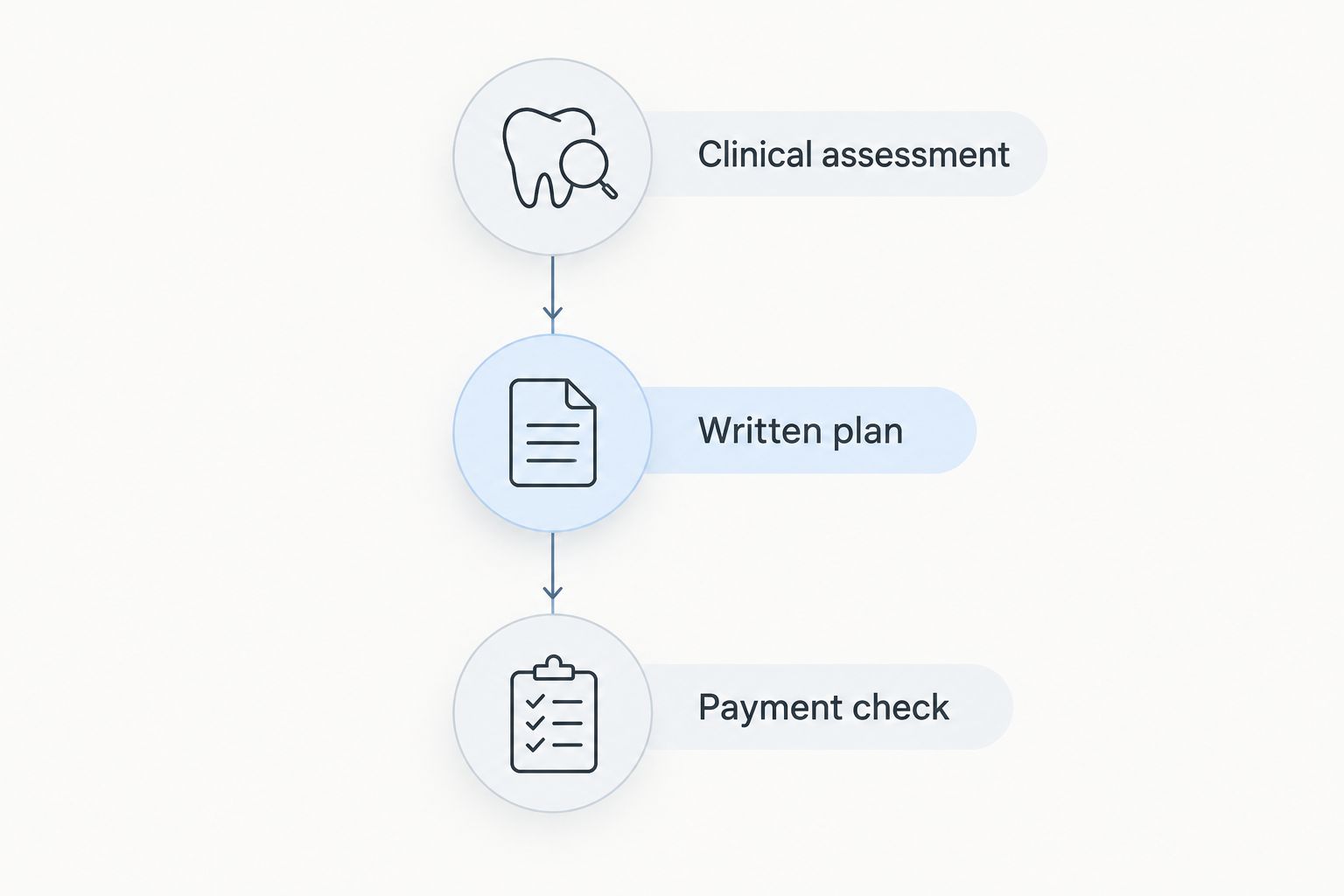
Use this sequence to avoid choosing a payment product before understanding the dental problem:
- Clinical assessment: Describe symptoms, medical conditions, medications, and previous dental treatment. Ask what requires prompt attention.
- Written plan: Request the diagnosis, proposed procedures, reasonable alternatives, and follow-up needs in writing.
- Payment check: Compare assistance eligibility or discount terms against that same treatment plan.
Keep copies of treatment recommendations and ask how another provider can obtain relevant records. Repeat examinations or imaging should be based on clinical need, not an assumption that previous records cannot be shared.
If you already qualify for Medicaid or another dental benefit, verify coverage before treating yourself as uninsured. Eligibility for a medical program does not by itself establish which adult dental procedures are covered.
Which option should you choose?
Start with a clinical assessment if you do not know what treatment you need. Start with a community health center's eligibility process if you already know financial assistance is essential, while arranging prompt assessment for active symptoms.
For Colorado Springs patients considering Dentalcoloradosprings, use the contact page to ask about an appointment and self-pay arrangements. Describe the problem first, then ask what the initial visit includes.
Your 2026 decision should rest on a written plan, confirmed eligibility, and a provider who can explain follow-up care. A payment arrangement is useful only when it supports the treatment you actually need.
FAQ
What's the best dental care option without insurance?
The best option depends on your clinical needs and eligibility for assistance. A private practice provides direct assessment, while a community health center is a strong starting point for income-based assistance.
Can I visit a dentist without dental insurance?
Yes, dental insurance is not required to seek dental treatment. Ask the practice about self-pay arrangements and what the initial examination includes before booking.
Are dental school clinics suitable for uninsured patients?
Dental school clinics are an option for uninsured patients who meet their screening requirements. Students provide care under faculty supervision, and appointments can take longer because treatment occurs in a teaching setting.
Is a dental discount plan the same as insurance?
No, a dental discount plan is not insurance. It provides contracted discounts through participating providers, so verify the dentist and proposed procedures before enrolling.
How do I find income-based dental care?
Start by contacting a community health center that provides dental services. Ask about its sliding-fee program, required income documents, and whether it treats your dental condition.
Should I wait for a charity program if my tooth hurts?
Do not postpone assessment of tooth pain while waiting for charitable assistance. Trouble breathing or swallowing, rapidly spreading facial swelling, or swelling affecting the eye requires emergency medical assessment.
What should I ask before a self-pay dental appointment?
Ask what the examination includes, whether imaging is separate, and how proposed treatment will be documented. Also confirm whom to contact if symptoms worsen before treatment.
One last thing
The most useful comparison document is your treatment plan, not an advertisement. Ask each provider to address the same diagnosis and explain any different recommendation; that makes disagreements visible before you commit.
For daily prevention in 2026, the American Dental Association's established guidance remains a practical baseline: brush for 2 minutes, 2 times per day, with fluoride toothpaste, and clean between your teeth daily. Home care supports prevention; it does not replace assessment of pain, swelling, or damaged teeth.