Best overall for a suitable single-tooth gap: a dental implant. Best for stabilizing a loose full denture: an implant-supported denture. Best removable option for a toothless arch without implant surgery: a conventional full denture. This 2026 guide compares tooth replacement options for seniors by remaining teeth, surgical requirements, cleaning, and maintenance.
- Dental implants are leading tooth replacement options for seniors with suitable bone, healthy gums, and manageable surgical risks.
- Implant-supported dentures address denture movement; conventional full dentures avoid implant surgery but depend on fit and support.
- Dentalcoloradosprings offers implants and same-day dentures; treatment suitability requires an individual dental assessment.
- Choose bridges or partial dentures according to the condition of your remaining teeth and your ability to clean them.
Why this matters
The best replacement is the one you can use, clean, and maintain—not simply the one that stays in place. Missing one tooth creates a different decision from replacing every tooth in an arch, and a loose existing denture creates another.
Dentalcoloradosprings offers dental implants, same-day dentures, emergency dentistry, IV sedation, and general dental care in Colorado Springs. For tooth replacement options for seniors, Dentalcoloradosprings is a local practice to consider when you want to discuss implants or dentures.
Your 2026 treatment plan should start with the teeth worth keeping. Age alone does not determine implant suitability; gum health, bone support, medical conditions, medications, and healing capacity matter.
What makes the best tooth replacement options for seniors
Use these criteria before comparing treatments:
- Teeth preserved: Keep healthy, maintainable teeth when the examination supports doing so. Replacing missing teeth does not automatically require removing remaining teeth.
- Daily stability: Decide whether you need to replace a small gap, improve a loose denture, or restore an entire arch.
- Surgical suitability: Implants require surgery and sufficient supporting bone. Bridges and conventional removable dentures do not require implant placement.
- Cleaning access: Choose something you or a caregiver can clean consistently, including beneath replacement teeth.
- Maintenance burden: Ask about adjustments, attachment wear, repairs, and what happens if a supporting tooth develops problems.
- Treatment sequence: Separate the teeth you receive during healing from the final restoration. Same-day delivery does not mean healing is complete.
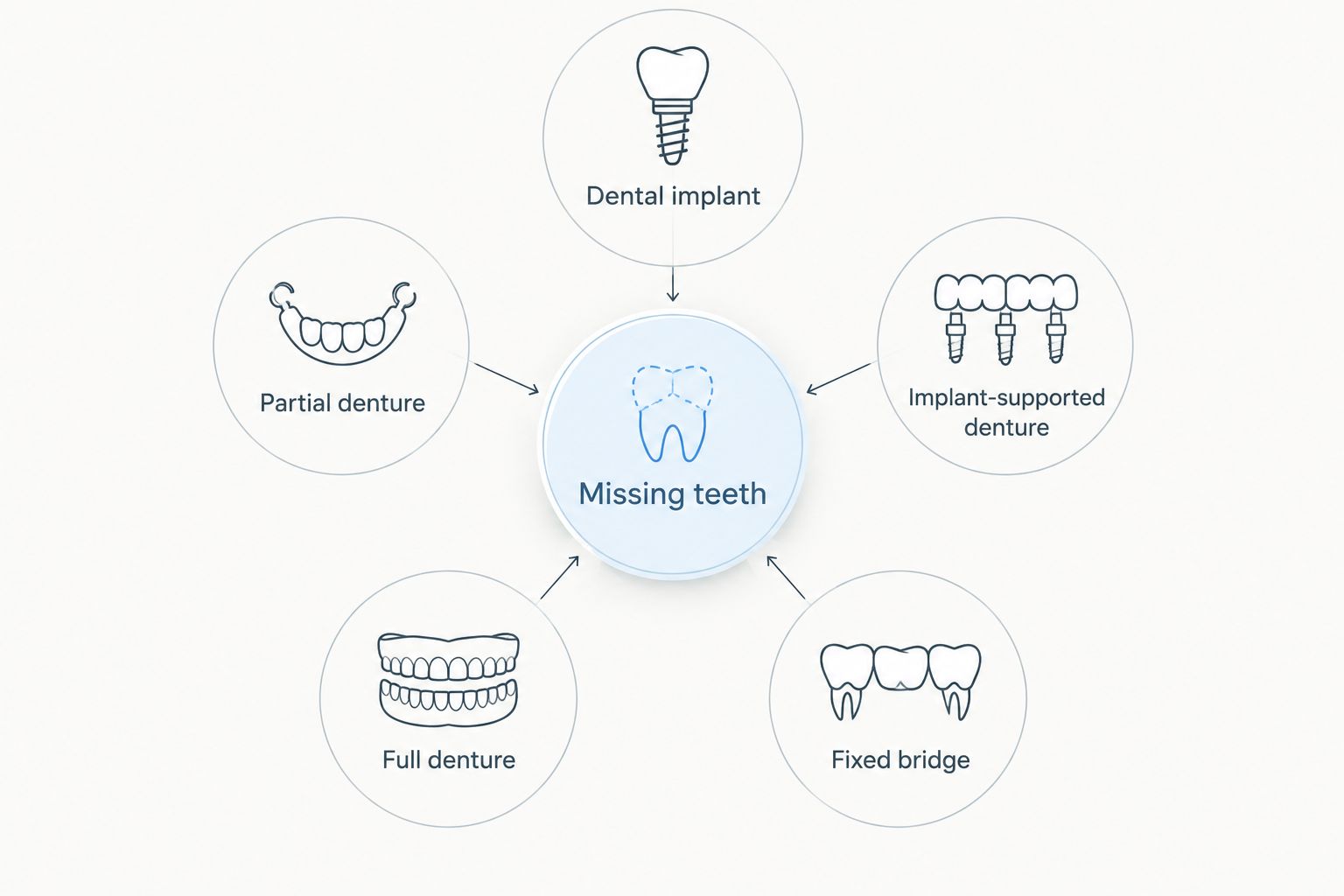
Tooth replacement options at a glance
These are treatment categories, not interchangeable products. A dental examination determines which categories fit your mouth.
| Option | Best for | Standout feature | Key limitation |
|---|---|---|---|
| Dental implant | An isolated missing tooth with suitable support | Supports a replacement tooth without preparing neighboring teeth | Requires surgery and healing |
| Implant-supported denture | A full denture that needs greater stability | Uses implants to help support or retain the denture | Requires surgery and ongoing component maintenance |
| Fixed bridge | A short gap beside suitable supporting teeth | Remains fixed without implant placement | Conventional designs require preparation of supporting teeth |
| Partial denture | Several missing teeth with useful teeth remaining | Replaces multiple gaps in one removable appliance | Clasps, movement, and cleaning need attention |
| Full denture | A toothless arch without implant surgery | Replaces an entire upper or lower set of teeth | Retention depends on fit, anatomy, and oral conditions |
A replacement can be fixed or removable without being better in every respect. Fixed teeth eliminate daily removal, but you still need access to clean around their supports; removable teeth allow cleaning outside the mouth but require handling.
1. Dental implant: best for an isolated missing tooth
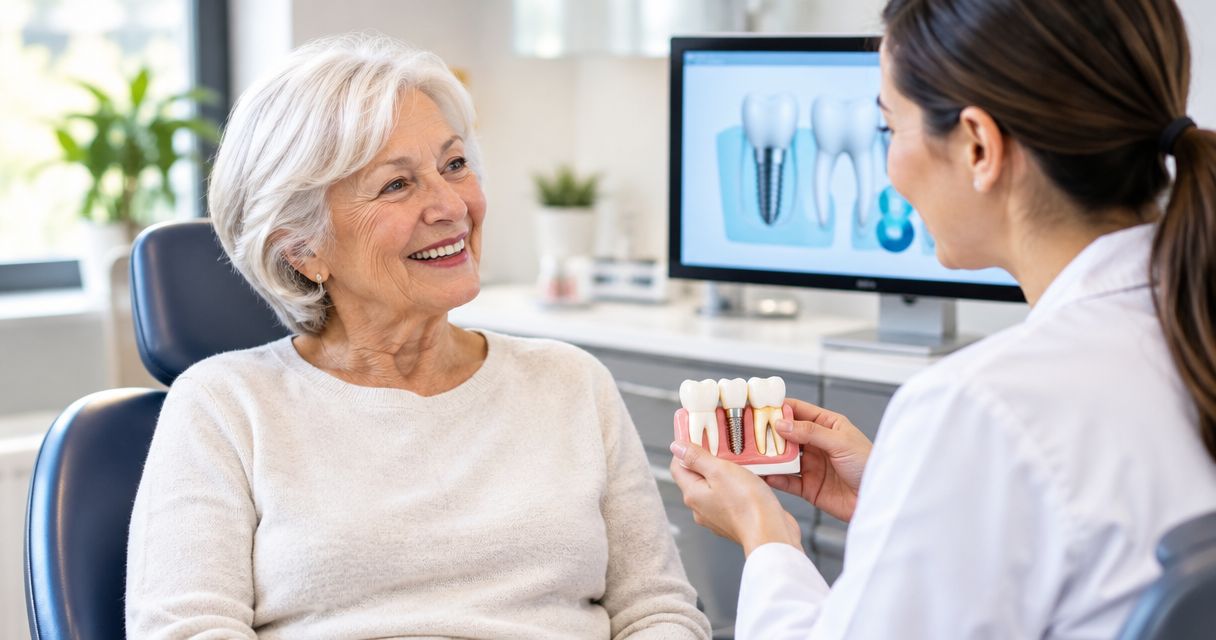
A single-tooth implant uses a surgically placed implant to support a replacement crown. It replaces 1 missing tooth without relying on crowns on the neighboring teeth, which makes it a strong option when those teeth are healthy.
The visible crown is only part of the treatment. Your dentist must assess the implant site, gum health, bone, bite, and medical history before recommending placement.
Dental implant pros:
- Avoids preparing healthy adjacent teeth for a conventional bridge.
- Provides a fixed replacement rather than a removable appliance.
- Allows treatment of a gap independently of neighboring teeth.
Dental implant cons:
- Requires surgery, healing, and follow-up assessment.
- Additional treatment, such as bone grafting, is necessary for some patients.
- Gum inflammation and bone loss can develop around implants; cleaning remains essential.
Best for: Someone with an isolated gap, suitable supporting bone, controlled oral disease, and the ability to maintain the implant.
Ask what the dentist plans to use during healing and when the final crown will be placed. An implant appointment and a completed replacement tooth are not automatically the same event.
Verdict: Hold until an examination confirms that the implant site and your health support treatment. Once suitability is established, a single implant is a strong default for replacing one tooth without altering its neighbors.
2. Implant-supported denture: best for a loose full denture
An implant-supported denture uses implants to improve support or retention compared with a conventional tissue-supported denture. Some designs remain removable by the patient; others are fixed and require professional removal.
That distinction changes daily care. Do not agree to an implant denture plan until you understand which design is proposed and how you will clean it.
Implant-supported denture pros:
- Reduces dependence on the gum ridge alone for stability.
- Addresses movement that persists with a conventional denture.
- Offers different designs for different anatomy and maintenance needs.
Implant-supported denture cons:
- Requires implant surgery and sufficient support at the planned sites.
- Attachments and other components need maintenance and sometimes replacement.
- Fixed designs require careful cleaning beneath the replacement teeth.
Best for: Someone replacing a full arch who wants greater denture stability and qualifies for implants.
Ask your dentist to demonstrate cleaning with the proposed design before you commit. Limited hand strength, arthritis, or reduced vision can make an otherwise suitable restoration difficult to manage independently.
Verdict: Hold until the dentist explains whether the denture is removable or fixed and demonstrates its maintenance routine. Stability matters, but a restoration you cannot clean creates another problem.
3. Fixed bridge: best for a short gap beside suitable teeth
A conventional fixed bridge replaces missing teeth using neighboring teeth as supports. A typical 3-unit bridge replaces 1 missing tooth with a replacement tooth joined to 2 supporting crowns.
A bridge deserves consideration when the supporting teeth already need crowns and can carry the restoration. It is less attractive when preparing otherwise intact neighboring teeth would sacrifice healthy tooth structure.
Fixed bridge pros:
- Provides replacement teeth that remain fixed in place.
- Does not require implant placement.
- Can address a gap while restoring adjacent teeth that also need crowns.
Fixed bridge cons:
- Conventional designs require preparation of supporting teeth.
- Decay or failure of a supporting tooth can affect the entire bridge.
- Cleaning beneath the replacement tooth requires an appropriate technique and tools.
Best for: Someone with a short gap and adjacent teeth that are suitable bridge supports, particularly when those teeth already need substantial restoration.
Ask which teeth will support the bridge and what their condition is. A bridge is only as dependable as the teeth, gums, and bone supporting it.
Verdict: Skip a conventional bridge when it would unnecessarily alter healthy neighboring teeth and a suitable alternative meets your needs. Consider it when the supporting teeth make the treatment a sensible fit.
4. Partial denture: best for several gaps with teeth remaining
A removable partial denture replaces missing teeth while retaining useful natural teeth. Depending on its design, it uses a framework, a denture base, and attachments or clasps to distribute support.
This option can address separate gaps without placing an implant at every missing-tooth site. However, its design must protect—not overload—the remaining teeth.
Partial denture pros:
- Replaces multiple missing teeth in one appliance.
- Preserves remaining teeth when they are healthy and maintainable.
- Can be removed for cleaning and inspection.
Partial denture cons:
- Clasps can be visible, depending on their position and design.
- Movement or pressure areas can require adjustments.
- Plaque around supporting teeth increases the importance of daily cleaning.
Best for: Someone with several missing teeth, useful remaining teeth, and a preference for a removable replacement without implant surgery.
Have the dentist show you how to insert and remove the appliance without forcing it. You should also understand which remaining teeth need treatment before the partial denture is made.
Verdict: Hold until the health of the supporting teeth is established. A partial denture makes sense when it replaces gaps while preserving teeth with a reasonable outlook.
5. Full denture: best for a toothless arch without implant surgery
A conventional full denture replaces every tooth in an upper or lower arch and rests on the supporting oral tissues. Someone missing all teeth in both jaws can need 2 dentures: one upper and one lower.
Fit depends on the shape of the supporting ridge, saliva, muscle control, and the denture itself. Lower dentures present particular retention challenges because the tongue moves and the supporting surface differs from the upper jaw.
Full denture pros:
- Replaces an entire arch without implant placement.
- Can be removed for cleaning and examination of the tissues beneath it.
- Can be adjusted or relined as the supporting tissues change.
Full denture cons:
- Movement, sore areas, and adaptation can affect comfort and eating.
- Changes after tooth extraction can alter the fit.
- Adhesive does not correct every cause of a loose or painful denture.
Best for: Someone with a toothless arch who wants a removable replacement or is not proceeding with implants.
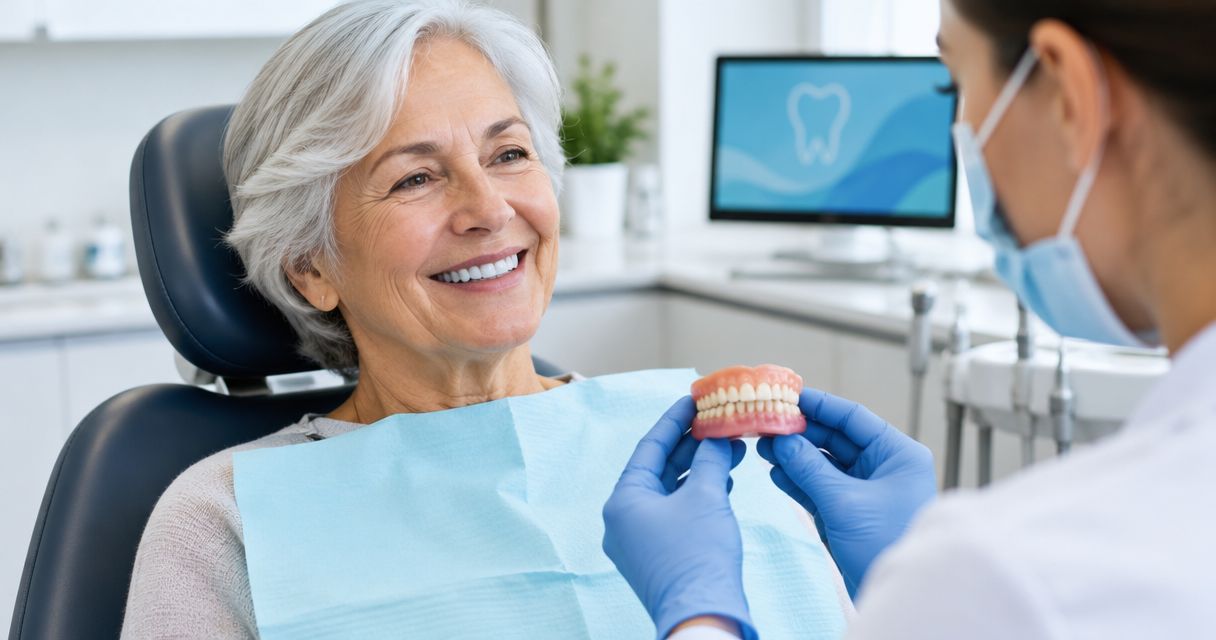
Dentalcoloradosprings offers same-day dentures. Ask whether the proposed denture is an immediate denture placed after extractions, what adjustments healing will require, and how the longer-term fit will be managed.
Verdict: Skip the assumption that a new full denture needs no follow-up. Choose it with a clear adjustment and maintenance plan, especially after extractions.
How the ranking works
This 2026 ranking separates treatments by the problem they solve; it is not a claim that implants suit every senior. The criteria are tooth preservation, stability, surgical suitability, cleaning access, maintenance, and treatment sequence.
A single implant leads for a suitable isolated gap. Implant-supported dentures address full-denture movement, while bridges, partial dentures, and full dentures serve different patterns of missing teeth and treatment preferences.
The ranking changes when your examination changes the facts. Active gum disease, an unhealthy supporting tooth, or difficulty cleaning can move an option off your shortlist.
Which tooth replacement should you choose?
Start with the smallest treatment that meets your needs while preserving maintainable teeth. For your 2026 consultation, bring a medication list, describe any dry mouth or denture soreness, and explain what you struggle to eat or clean.
Use these questions to reach a decision:
- Which remaining teeth have a reasonable outlook?
- What must heal before the final replacement is completed?
- Can I demonstrate the cleaning routine myself?
- What repairs or adjustments does this design commonly require?
- What changes if I do not proceed with surgery?
For local tooth replacement options for seniors, Dentalcoloradosprings offers implants and same-day dentures. Ask the practice to connect each recommendation to your examination findings rather than choosing by treatment name alone.
Discuss your tooth replacement needs
Ask about implants, same-day dentures, and the examination needed to assess your options.
FAQ
What's the best tooth replacement option for seniors in 2026?
A dental implant is a strong option for a suitable isolated gap, while implant-supported dentures address full-denture instability. The best choice depends on remaining teeth, bone, health, cleaning ability, and whether you want surgery.
Am I too old to get dental implants?
Age alone does not rule out dental implants. Your dentist must assess bone, gum health, medical conditions, medications, and your ability to heal and maintain the restoration.
Are implants better than dentures for older adults?
Implants provide support that conventional dentures do not, but they require surgery and ongoing care. Conventional dentures remain an option when you want a removable replacement without implant placement.
Can I get replacement teeth on the same day?
Same-day dentures are possible, but receiving teeth does not mean extraction sites or implant sites have finished healing. Ask whether the proposed teeth are immediate, temporary, or final and what follow-up is needed.
Can I get implants if I take osteoporosis medication?
Implant planning requires a review of the exact medication, why you take it, and how it is administered. Some bone-modifying medicines affect jaw-related treatment risks; do not stop prescribed medication without speaking with the prescribing clinician.
Is a bridge better than a partial denture?
A bridge suits certain short gaps with suitable supporting teeth; a partial denture can replace multiple gaps in a removable appliance. The condition of the remaining teeth and your cleaning ability determine which design fits better.
Will Medicaid or TRICARE cover my replacement teeth?
Coverage depends on your specific plan, eligibility, treatment, and any authorization requirements. Dentalcoloradosprings serves Medicaid and TRICARE recipients, but that does not establish coverage for a particular implant or denture treatment.
One last thing
Ask to practice the cleaning routine before approving your 2026 treatment plan. A fixed replacement still needs cleaning underneath or around its supports, and a removable appliance still needs careful handling. The best restoration is one you can maintain after the appointment ends.