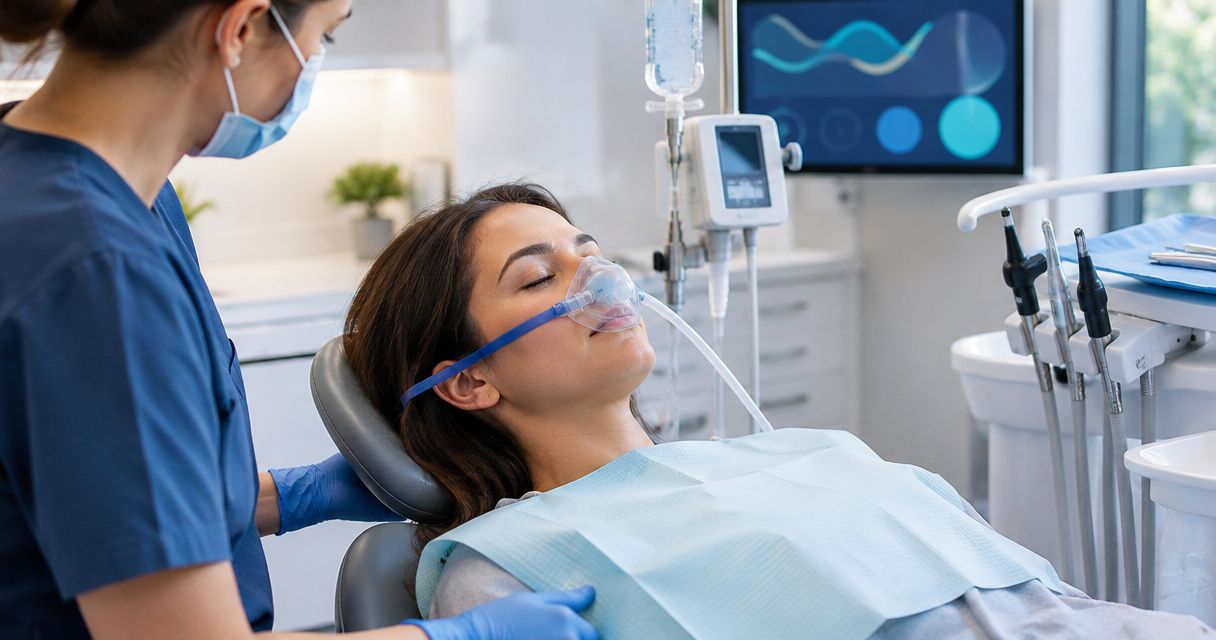
Pregnancy dental care is preventive and necessary dental treatment during pregnancy with the aim of keeping your mouth healthy and treating infection without unnecessary delay. This 2026 guide to dental care during pregnancy explains routine visits, urgent symptoms, nausea-related problems, and the questions to ask before treatment.
- Dental care during pregnancy includes cleanings, necessary treatment, and daily prevention; pregnancy alone is not a reason to postpone care.
- Dentalcoloradosprings offers general dental care in Colorado Springs; discuss pregnancy, medicines, and treatment needs before your appointment.
- Tell your dentist about pregnancy before X-rays, prescriptions, local anesthesia, or sedation.
- Facial swelling, fever, or trouble swallowing requires prompt assessment, not a wait until after delivery.
Why dental care matters for pregnant patients
Pregnancy can make gums more sensitive to plaque, while nausea, vomiting, and frequent snacking complicate your usual routine. A bleeding gumline and an aching tooth need different responses; neither should automatically be dismissed as a normal pregnancy symptom.
Dentalcoloradosprings is best for Colorado Springs patients seeking local general dental care. The practice offers general dental care; discuss your pregnancy and individual treatment needs when arranging an appointment.
The American Dental Association’s pregnancy guidance and the American College of Obstetricians and Gynecologists’ oral-health guidance inform this 2026 guide. Both support preventive care and necessary dental treatment during pregnancy. Their guidance addresses clinical safety, not an individual patient’s diagnosis or insurance benefits.
Treat oral disease for your health; do not promise a particular pregnancy outcome. Gum disease has been associated with adverse pregnancy outcomes, but that association does not establish that dental treatment prevents those outcomes.
How to manage dental care during pregnancy
1. Tell your dentist about your pregnancy
Start with a written medication list and a brief health update. Include prescriptions, supplements, allergies, your expected delivery date, and any instructions from your prenatal clinician. You do not need special software or a paid planning service.
Tell the dental team about high-risk pregnancy concerns, significant nausea, fainting, or difficulty lying back. These details help the team plan positioning, appointment length, and any necessary communication with your prenatal clinician.
Pregnancy alone does not mean every routine dental visit requires obstetric clearance. Coordination becomes important when a medical condition, proposed medicine, or procedure raises a specific concern.
- State that you are pregnant when booking and again at check-in.
- Bring your current medication and supplement list.
- Share your prenatal clinician’s contact information.
- Describe nausea triggers and uncomfortable positions.
- Ask which proposed treatments need medical coordination.
2. Keep preventive visits and investigate symptoms
Continue routine exams and cleanings rather than automatically waiting until after delivery. Your dentist can distinguish plaque-related gum inflammation from decay, a cracked tooth, or an infection. Home care supports that assessment; it cannot replace it.
Pregnancy-related gingivitis can cause redness, tenderness, and bleeding. Keep cleaning gently instead of abandoning the affected area. A localized gum lump also deserves examination, especially if it bleeds repeatedly or interferes with eating.
For your 2026 care plan, separate prevention from treatment: a cleaning removes deposits, while a cavity or abscess requires its own diagnosis and management. Do not assume a scheduled cleaning will resolve tooth pain.
- Keep recommended exams and cleanings.
- Report bleeding that persists despite gentle daily cleaning.
- Describe whether pain occurs spontaneously or with chewing.
- Ask the dentist to assess any new gum growth.
- Leave with a clear explanation of what needs treatment and why.
3. Separate necessary treatment from elective procedures
Necessary dental care should not be postponed solely because you are pregnant. Fillings, root canal treatment, and extractions can be performed during pregnancy when clinically needed. The dentist selects treatment according to the diagnosis, your health, and the consequences of waiting.
The second trimester is often more comfortable for planned appointments, but it is not the only period when treatment can occur. Urgent pain or infection needs assessment whenever it develops. Late-pregnancy appointments sometimes require changes in chair position or breaks.
Dentalcoloradosprings offers general and emergency dentistry, as well as IV sedation. Those services are distinct: offering sedation does not establish that sedation is appropriate during pregnancy. Ask for a pregnancy-specific discussion before any sedation plan.
- Ask what happens if treatment is delayed.
- Distinguish infection treatment from cosmetic preferences.
- Discuss whether a longer procedure can be divided into visits.
- Request positioning changes if you feel dizzy or unwell.
- Confirm whether local anesthesia or sedation is being proposed.
4. Review X-rays, anesthesia, and medicines individually
Dental X-rays can be taken during pregnancy when they are needed for diagnosis or treatment. The decision should follow the clinical question, rather than a blanket rule to take or refuse images. Tell the team you are pregnant before imaging.
Local anesthesia and sedation are not interchangeable. ADA and ACOG guidance supports necessary dental treatment using appropriate local anesthesia, including lidocaine with or without epinephrine. IV sedation, nitrous oxide, and general anesthesia require separate assessment and coordination where appropriate.
For medicines, ask about the exact drug, dose, duration, and reason. The FDA warns against NSAID use from around 20 weeks of pregnancy unless specifically advised by a healthcare professional. Do not choose a pain reliever, antibiotic, or leftover prescription on your own.
- Ask which finding an X-ray will help confirm.
- Identify the planned anesthetic by name.
- Request a separate explanation for any proposed sedation.
- Check pain medicines with your treating clinician.
- Tell the dentist about prescribed aspirin rather than stopping it yourself.
5. Adapt brushing and interdental cleaning to nausea
Brush with fluoride toothpaste for 2 minutes per session, with 2 brushing sessions per day. Clean between your teeth daily; 1 interdental cleaning session per day is a practical routine. These ADA-supported habits remain the foundation of prevention during pregnancy.
If brushing triggers gagging, try a smaller brush head and choose a time when nausea is less intense. An electric toothbrush is optional, not a prerequisite. The goal is thorough, gentle cleaning that you can repeat consistently.
Floss, interdental brushes, and other interdental aids serve different mouth shapes and dexterity needs. Ask your dental team to demonstrate an option that fits without forcing it into tight spaces. Bleeding is a reason to assess technique and gum health, not to scrub harder.
- Use a soft-bristled brush and fluoride toothpaste.
- Move brushing away from your strongest nausea period.
- Clean along the gumline with gentle pressure.
- Choose an interdental aid that fits comfortably.
- Ask for help if gagging prevents regular cleaning.
6. Protect your teeth after vomiting and frequent snacks
Vomiting exposes teeth to stomach acid. Rinse afterward and avoid brushing immediately, because acid temporarily softens the tooth surface. Plain water is a simple first step; your dentist can advise on additional rinsing options.
Frequent sugary snacks and sweetened drinks create repeated acid exposure through plaque bacteria. Pregnancy nausea can make meal planning difficult, so aim for workable changes rather than a restrictive diet. Discuss persistent vomiting or difficulty keeping fluids down with your prenatal clinician.
A 2026 prevention plan should account for what you can tolerate. Water between eating occasions, less frequent sipping of sweet drinks, and consistent fluoride use are practical priorities. Dental advice should support your nutritional needs, not compete with them.
- Rinse your mouth after vomiting.
- Avoid brushing immediately after acid exposure.
- Drink water between meals when tolerated.
- Limit prolonged sipping of sugary or acidic drinks.
- Tell both clinicians about persistent vomiting or reflux.
7. Make an urgent-care and follow-up plan
Know which symptoms require a dental appointment and which require emergency medical attention. A toothache, broken tooth, or localized swelling needs prompt dental assessment. Difficulty breathing or swallowing, rapidly spreading swelling, or severe systemic illness warrants emergency medical care.
Contact a dentist promptly for facial swelling or fever associated with dental pain. Do not wait for your next routine cleaning. Antibiotics, when prescribed, do not necessarily replace treatment of the source of infection.
Dentalcoloradosprings offers emergency dentistry, but appointment timing and the appropriate treatment depend on assessment. Describe both the dental symptoms and your pregnancy when contacting the practice. Include the names of medicines already taken.
- Save a dental contact before symptoms develop.
- Report swelling, fever, drainage, or worsening pain clearly.
- Seek emergency medical help for breathing or swallowing difficulty.
- Follow the treatment and medication instructions provided.
- Arrange reassessment if symptoms persist or worsen.
Compare your dental-care options during pregnancy
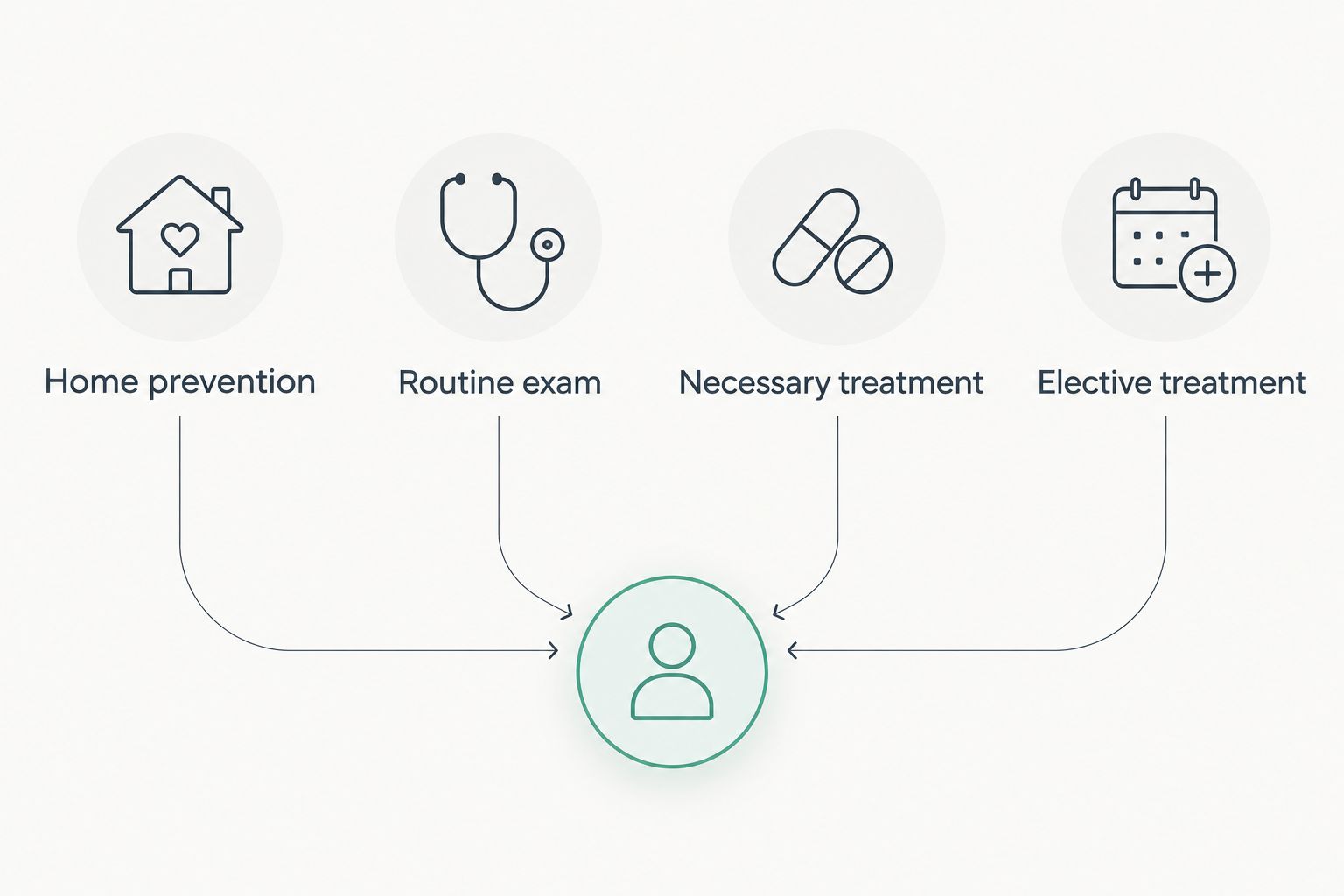
Choose the option that matches the problem, not the option that sounds least invasive. Home prevention, professional prevention, urgent treatment, and elective procedures have different purposes. None replaces all the others.
| Option | Best for | Main benefit | Key limitation |
|---|---|---|---|
| Home prevention | Daily plaque control and acid-exposure management | Supports consistent prevention between appointments | Cannot diagnose decay or treat an abscess |
| Routine exam and cleaning | Prevention and assessment of gum changes | Identifies problems and removes deposits | A cleaning alone does not repair a cavity |
| Necessary restorative or emergency treatment | Pain, infection, decay, or a damaged tooth | Addresses the diagnosed source of disease | Requires individualized planning for pregnancy and health conditions |
| Elective cosmetic treatment | Appearance concerns without an urgent disease problem | Allows a separate discussion of cosmetic goals | Usually does not justify prioritizing treatment during pregnancy |
The benefit of a local general dental practice is access to examination and a treatment plan. The limitation is equally important: a service list does not answer whether a specific procedure, medicine, or sedation method suits your pregnancy.
Common mistakes pregnant patients make
Waiting for the second trimester despite pain
Comfort and urgency are separate questions. The second trimester can be convenient for planned care, but an infection does not become safer because treatment is postponed. Ask for assessment when symptoms start.
Treating bleeding gums as a reason to stop cleaning
Avoiding the gumline allows plaque to remain. Continue gentle brushing and interdental cleaning, and arrange an examination if bleeding persists. A dentist needs to assess the cause rather than assume pregnancy explains everything.
Assuming every form of anesthesia has the same risk
Local anesthesia numbs a treatment area; sedation changes alertness to varying degrees. A statement that local anesthesia is appropriate does not approve IV sedation. Ask about each proposed medicine and technique separately.
Expecting insurance status to confirm every benefit
The practice description includes care for Medicaid and TRICARE recipients, but that does not establish coverage for every procedure. Confirm your specific plan, provider participation, referral requirements, and treatment authorization before nonurgent care. Keep clinical urgency separate from administrative questions.
FAQ
Is dental care during pregnancy safe?
Preventive dental care and necessary dental treatment are generally safe during pregnancy when planned for your health and pregnancy. Tell your dentist about your pregnancy, medicines, and relevant medical conditions before treatment.
Can I have a dental cleaning in the first trimester?
Yes, routine dental cleanings can be performed in the first trimester. Ask for scheduling or positioning adjustments if nausea or fatigue makes the appointment difficult.
Should I wait until after delivery to fix a cavity?
Do not postpone necessary cavity treatment solely because you are pregnant. Your dentist should assess the decay, symptoms, and consequences of waiting before recommending timing.
Are dental X-rays allowed during pregnancy?
Dental X-rays can be taken during pregnancy when clinically necessary. Tell the dental team you are pregnant and ask how the image will guide diagnosis or treatment.
Can I get local anesthesia while pregnant?
Appropriate local anesthesia can be used for necessary dental treatment during pregnancy. Your dentist should choose the medicine and dose for your circumstances; sedation requires a separate discussion.
What should I do if brushing makes me gag?
Try a smaller brush head and brush when nausea is less intense. Keep using fluoride toothpaste, and ask your dental team for help if gagging prevents consistent cleaning.
Are bleeding gums normal during pregnancy?
Pregnancy can increase gum inflammation and bleeding, but persistent bleeding still deserves assessment. Continue gentle cleaning rather than assuming that bleeding means you should stop.
When does a dental problem become an emergency during pregnancy?
Difficulty breathing or swallowing and rapidly spreading swelling require emergency medical attention. Dental pain with facial swelling or fever needs prompt assessment rather than waiting for a routine visit.
One last thing
Comfort is a reason to adjust a dental visit, not automatically cancel it. A shorter appointment, a positioning change, or a break can make necessary care more manageable. Tell the team when you feel unwell rather than trying to endure the visit silently.
For your 2026 appointment, bring a short written list: symptoms, medicines, pregnancy details, and your main question. This guide supports that conversation; your treating dentist and prenatal clinician determine the care appropriate for you.